
How Micro-Local Content Outperforms Broad Campaigns in Northern Indiana
Read Time 13 mins | Written by: Riley Catalano, Founder of Favze
Why “Broad” No Longer Wins
For years, businesses were taught to “cast a wide net” with their marketing. Reach more people, post more content, target larger audiences.
Favze, an affordable full-service local marketing agency, is here to prove that relying on broad reach alone is the wrong strategy for local businesses in Northern Indiana and Michiana.
That approach no longer works the way it once did.
Today, algorithms, AI-driven discovery systems, and customer behavior all favor relevance over reach. Broad campaigns may generate impressions, but they rarely generate trust, engagement, or real-world action.
Micro-local content does.
Micro-local content focuses on specific places, people, behaviors, and intent, making it far more effective for businesses that rely on local visibility, foot traffic, and repeat customers.
What Is Micro-Local Content?
Micro-local content is marketing content designed for highly specific geographic and contextual audiences, such as:
-
A city, town, or neighborhood
-
A county or service area
-
A local event, season, or behavior
-
A clearly defined local customer segment
Instead of saying “We serve Indiana”, micro-local content says:
-
“Serving downtown South Bend businesses”
-
“Helping Elkhart County homeowners”
-
“Built for Michiana service providers”
It aligns place + purpose + relevance.
Why Broad Campaigns Struggle Today
Broad campaigns fail for three main reasons:
1. Algorithms Prioritize Relevance, Not Reach
Social platforms and AI systems optimize for:
-
Engagement likelihood
-
Local relevance
-
Contextual accuracy
Broad messaging lacks strong signals. When content isn’t clearly relevant to a defined audience or location, algorithms deprioritize it.
2. Users Filter Broad Content Instantly
Modern users subconsciously ask:
“Is this for me, here, right now?”
If the answer isn’t obvious within seconds, they scroll.
Broad messaging forces users to do the work of deciding relevance. Micro-local content removes that friction.
3. Broad Campaigns Don’t Build Local Trust
Trust is contextual. People trust businesses that:
-
Understand their area
-
Reference familiar places
-
Speak to local needs
Generic messaging feels interchangeable. Localized messaging feels intentional.
Why Micro-Local Content Wins
1. Stronger AI & Algorithm Signals
Micro-local content naturally includes:
-
Geographic references
-
Location-based keywords
-
Local engagement patterns
These signals help AI systems categorize your business as relevant, authoritative, and discoverable within a specific market.
This improves:
-
Social media reach
-
Local search visibility
-
AI-generated recommendations
2. Higher Engagement Rates
People engage more when content feels personal.
Micro-local content:
-
Feels written for them
-
Reflects their environment
-
Addresses their real-world context
Engagement isn’t accidental — it’s a response to relevance.
3. Clearer Customer Positioning
Micro-local content clarifies:
-
Who you serve
-
Where you serve
-
Why you’re the right choice
This reduces confusion and speeds up decision-making.
Broad campaigns attract attention.
Micro-local campaigns attract the right attention.
Micro-Local Content vs Broad Campaigns (Comparison)
Broad Campaigns
-
High impressions
-
Low intent
-
Generic engagement
-
Weak local authority
-
Harder to convert
Micro-Local Content
-
Lower but higher-quality reach
-
Strong intent
-
Meaningful engagement
-
Clear local authority
-
Easier conversions
How Micro-Local Content Drives Foot Traffic
Micro-local content connects online discovery to offline action.
Examples include:
-
Promoting in-store events with city or neighborhood references
-
Posting time-based local offers
-
Highlighting proximity (“near you,” “right here,” “local to ___”)
When people recognize themselves and their location in your content, the leap from scrolling to visiting becomes much smaller.
Types of Micro-Local Content That Perform Best
1. Location-Specific Posts
Content that references:
-
Cities
-
Counties
-
Neighborhoods
-
Service areas
These posts perform better because they immediately signal relevance.
2. Community-Aware Content
Posts tied to:
-
Local seasons
-
Weather patterns
-
Events
-
Regional habits
This shows awareness, not just presence.
3. Intent-Based Local Content
Content designed for:
-
“Near me” searches
-
Immediate needs
-
High-intent behaviors
This type of content converts better because it aligns with decision moments.
4. Platform-Native Local Signals
Using:
-
Geo-tags
-
Location stickers
-
Local hashtags
-
Platform-specific location tools
These reinforce discoverability across social and AI systems.
How AI Interprets Micro-Local Content
AI systems don’t just read keywords — they interpret context.
Micro-local content provides:
-
Clear geographic signals
-
Consistent location references
-
Behavioral alignment with local audiences
This makes it easier for AI to:
-
Classify your business correctly
-
Surface your content to the right people
-
Recommend your brand during local decision moments
Why Micro-Local Doesn’t Mean Small
A common misconception is that micro-local content limits growth.
In reality:
-
You scale by repeating clarity, not by broadening vagueness
-
Strong local authority compounds over time
-
Multiple micro-local strategies outperform one generic campaign
Local dominance creates momentum.
How Favze Approaches Micro-Local Strategy
Favze treats micro-local content as a system, not a tactic.
That system includes:
-
Audience segmentation by location and intent
-
AI-optimized content frameworks
-
Multi-channel reinforcement (social, search, email, SMS)
-
Measurement tied to real outcomes, not vanity metrics
The goal isn’t just to be visible — it’s to be recognized, trusted, and chosen locally.
Key Takeaways
-
Broad campaigns generate reach, not results
-
Micro-local content aligns with how AI and users make decisions
-
Engagement increases when relevance is obvious
-
Local trust is built through specificity
Sustainable growth comes from local authority, not volume
Micro-local content works because it reflects reality.
People don’t live broadly.
They live locally.
Businesses that align their marketing with that truth don’t just get seen — they get chosen.
Frequently Asked Questions: Micro-Local Content vs Broad Campaigns
What is micro-local content?
Micro-local content is marketing created for a specific city, town, county, or neighborhood, designed to match local intent and relevance.
How is micro-local content different from local marketing?
Local marketing defines where you operate. Micro-local content goes deeper by tailoring messaging to specific places, behaviors, and decision moments.
Why do broad campaigns underperform today?
Broad campaigns lack relevance signals, making them less effective with modern algorithms and less compelling to local audiences.
How does micro-local content improve engagement?
People engage more with content that clearly reflects their location, environment, and needs, reducing friction and increasing interaction.
Does micro-local content work on social media?
Yes. Social platforms prioritize relevance, and micro-local signals help content reach the right audience more consistently.
Can micro-local content improve local search visibility?
Yes. Geographic references and consistent location signals support better performance in local search and AI-driven discovery.
Which social media platforms are best for Northern Indiana and Michiana businesses?
Facebook, Instagram, LinkedIn, TikTok, and X are key platforms, but choice depends on your audience demographics and content type.
Is micro-local content only for small businesses?
No. Larger organizations often perform better by deploying multiple micro-local strategies instead of one generic campaign.
How does AI interpret micro-local content?
AI uses location context, engagement patterns, and consistency to determine relevance and surface content to local users.
Does micro-local content limit reach?
It narrows reach intentionally but increases quality, intent, and conversion potential.
What types of businesses benefit most from micro-local content?
Service-based businesses, retail locations, healthcare providers, and regional organizations benefit significantly.
How does micro-local content drive foot traffic?
By aligning online messaging with physical proximity, timing, and local relevance, it shortens the path from discovery to visit.
How often should micro-local content be published?
Consistency matters more than volume. Strategic, well-timed content performs better than frequent generic posts.
Can micro-local content be used in paid campaigns?
Yes. Paid social and search campaigns perform better when paired with precise geographic targeting and localized messaging.
How do you measure success with micro-local content?
Success is measured through engagement quality, local visibility, conversions, and repeat interactions—not just impressions.
How does Favze approach micro-local content strategy?
Favze builds micro-local systems using AI optimization, audience segmentation, and multi-channel alignment to drive measurable local results.
Dominate your local market. Contact our Northern Indiana & Michiana experts today!
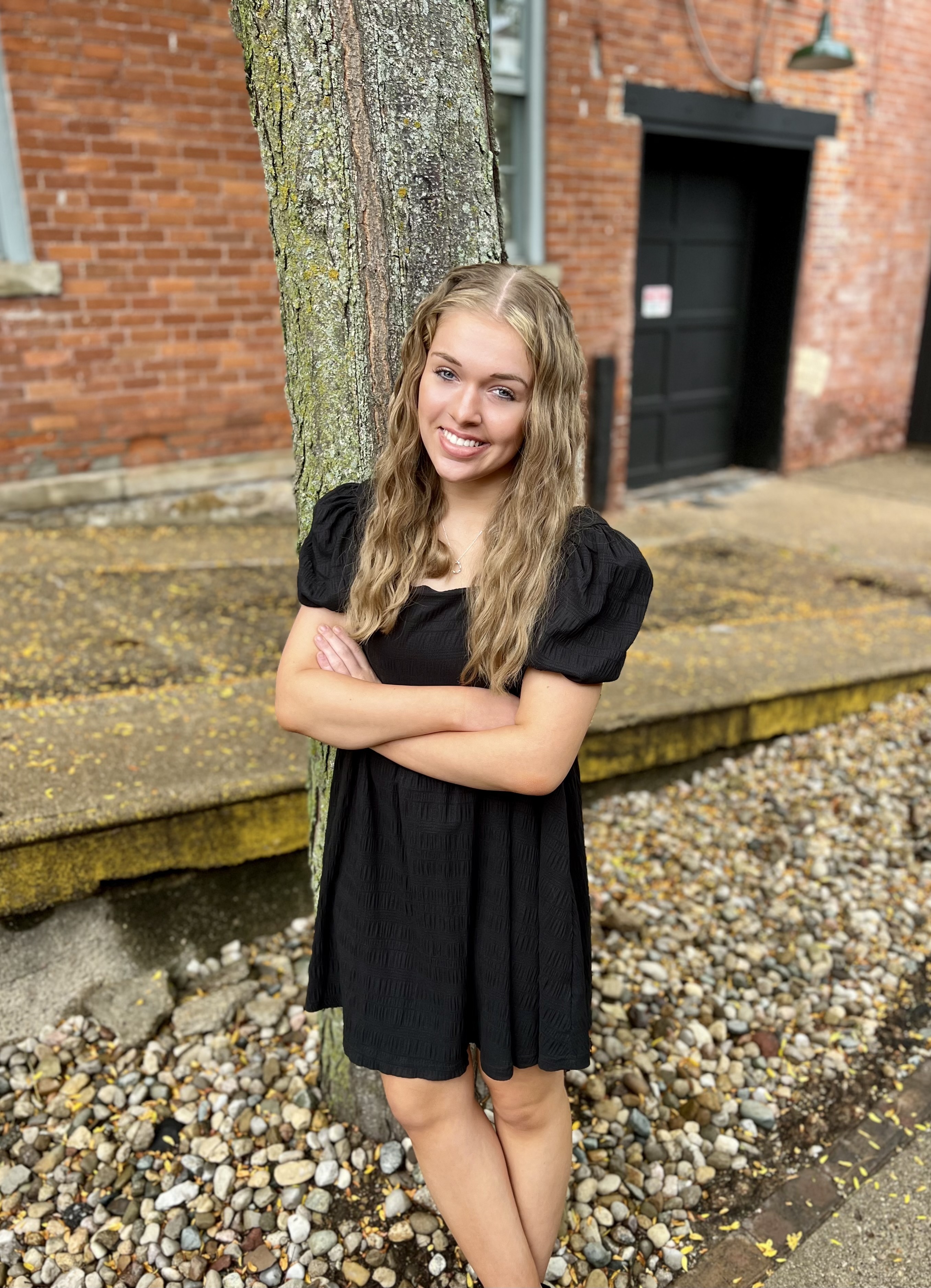
Riley Catalano
Riley Catalano is the founder of Favze and a recognized digital marketing expert for Northern Indiana and the Michiana region. With a focus on social media, SEO, AI-driven campaigns, and digital advertising, Riley helps local businesses grow their visibility, attract the right customers, and build lasting connections. Through Favze Insights, Riley shares practical strategies, regional market insights, and expert advice tailored specifically to businesses in the Northern Indiana and Michiana communities.